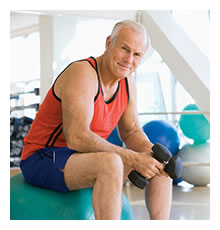
For many men, changes after 40 do not arrive all at once. They can show up gradually: less energy at the end of the day, slower recovery after activity, more difficulty staying focused, or the sense that the body simply does not respond as quickly as it used to.
It is easy to write these changes off as “just getting older.” But aging is only one part of the picture. Sleep quality, stress, physical activity, nutrition, blood pressure, blood sugar, medications and cardiovascular health can all influence how energetic and resilient someone feels from day to day.
The overlooked foundation: circulation
Every organ and muscle depends on a steady supply of oxygen and nutrients carried through the bloodstream. The cardiovascular system supports movement, recovery, temperature regulation and the body's ability to handle physical demands.
That is why circulation belongs in a broader conversation about healthy aging. Supporting the heart and blood vessels through regular movement and appropriate medical care can also support everyday stamina and physical resilience.
Feeling different with age does not automatically mean something is wrong. But persistent fatigue, unusual shortness of breath, major changes in exercise tolerance or other new symptoms are worth discussing with a qualified healthcare professional.
Why energy can change over time
Daily energy reflects more than motivation. Sleep, hydration, stress load, activity level, diet quality and underlying health conditions can all change how the body performs across the day.
A period of poor sleep can make exercise feel harder. Long stretches of inactivity can reduce conditioning. Ongoing stress can affect recovery and concentration. Small issues can compound, which is why looking at the full routine is often more useful than searching for a single explanation.
The “I’m just getting older” trap
Age can influence recovery and physical capacity, but it does not erase the value of healthy habits. Staying active, maintaining cardiovascular fitness and monitoring key health markers remain important throughout adulthood.
Factors such as blood pressure, blood sugar, cholesterol, tobacco use, alcohol intake, sleep, stress and physical activity can all shape long-term cardiovascular wellness. Reviewing these areas can help create a clearer picture of what may deserve attention.
What a circulation-first wellness approach looks like
A circulation-first approach is not about assuming every concern has one cause. It is simply a practical way to prioritize habits that support the heart, blood vessels and overall physical capacity.
Move consistently
Regular physical activity helps strengthen the heart and supports the body's ability to move blood efficiently.
Know your numbers
Blood pressure, blood sugar and cholesterol are useful markers to review with a healthcare professional.
Support recovery
Sleep, stress management, hydration, nutrition and appropriate rest all contribute to day-to-day resilience.

The National Heart, Lung, and Blood Institute explains that regular moderate- and vigorous-intensity physical activity strengthens the heart and improves its ability to pump blood throughout the body. Exercise is not a cure-all, but it is a well-established part of a heart-healthy lifestyle.
Want to See the Circulation-First Wellness Framework?
The next presentation explains the role of blood flow, daily habits and cardiovascular wellness in simple language for men who want to stay active and feel more consistent after 40.
Watch the Presentation →Educational information only. Individual experiences vary.
When it is worth talking to a healthcare professional
Persistent fatigue, unusual shortness of breath, dizziness, chest discomfort, a sudden drop in exercise tolerance or other new and worsening symptoms deserve medical attention. A clinician can review health history, medications, lifestyle factors and appropriate testing.
Do not ignore chest pain, severe shortness of breath, fainting, sudden weakness, or other urgent symptoms. Seek appropriate medical care. This page is educational and does not diagnose, treat or replace professional medical advice.
The bottom line
Feeling less energetic after 40 does not always have a single explanation. Circulation, cardiovascular fitness, sleep, stress, medications, nutrition and daily activity can all contribute to how the body feels and functions.
A useful starting point is simple: look at what changed, review the fundamentals and pay attention to patterns that persist.
See the Wellness Framework Step by Step
Watch the educational presentation for a visual explanation of circulation, daily stamina and healthy-aging habits men over 40 often overlook.
Continue to the Presentation →Sources & image credits
- NHLBI — Physical Activity and Your Heart: Benefits.
- “Couple Walking Outdoors” — Rhoda Baer / National Cancer Institute / NIH. Public domain via Wikimedia Commons.
- “Elderly exercise” — National Institutes of Health. Public domain via Wikimedia Commons.